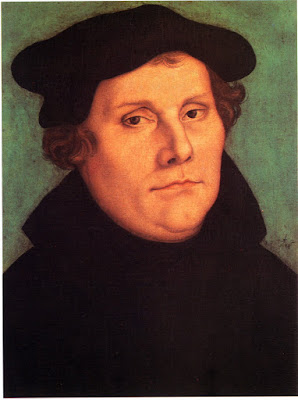
-Wir sein pettler. Hoc est verum.--"We are beggars. This is true."--Martin Luther-

_______________________________________________
[ Home ] [ Originals ] [ Words of Ones Wiser ] [ Odds and Ends ]

Monday, December 29, 2008

Commemoration of David

Be gracious to me, O God, according to Your loving-kindness, according to the multitude of Your tender mercies; blot out my transgressions.
Wash me completely from my iniquity, and cleanse me from my sin.
For I know my transgressions; and my sin is ever before me.
Against You, You only, I have sinned, and done evil in Your eyes; that You might be justified in Your speaking and be clear when You judge.
Behold, I was brought forth in iniquity, and in sin my mother conceived me.
Behold, You desire truth in the inward parts; and in the hidden parts You teach me wisdom.
Purge me with hyssop, and I shall be clean; wash me, and I shall be whiter than snow.
Cause me to hear joy and gladness; the bones You have crushed will rejoice.
Hide Your face from my sins, and blot out all my iniquities.
Create in me a clean heart, O God; and renew a steadfast spirit within me.
Do not cast me out from Your presence, and do not take Your Holy Spirit from me.
Restore to me the joy of Your salvation, and uphold me with a willing spirit.
Then I will teach transgressors Your ways; and sinners will turn back to You.
Deliver me from the guilt of shedding blood, O God, O God of my salvation; my tongue shall sing aloud of Your righteousness.
O Lord, open my lips and my mouth shall declare Your praise.
For you do not desire sacrifice, or I would give it; You do not delight in burnt offering.
The sacrifices of God are a broken spirit; a broken and a contrite heart, O God, You will not despise.
Do good in Your good pleasure to Zion; build the walls of Jerusalem.
Then You shall be pleased with the sacrifices of righteousness, with burnt offering and whole offering; then they shall offer bulls on Your altar.

-Psalm 51

Sunday, December 28, 2008

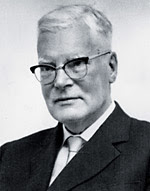
Lutheran Quote of the Day: Althaus on Faith and Command

Here are some more statements from Paul Althaus. I will respond to them in my final post on the law. The focus is on the relation of faith and the law.

"In the beginning, in the primal state from which we all derive, is the divine command [Gebot]. It is present as the reverse side of the offer [Augebot] with which the eternal love of God originally encounters man. Love's offer says: God wants to be for me; he wants to be my God. He has created me as man, and this means, for personal fellowship with him--for participation in his life in the partnership of love. Just as he, my God, freely gives himself to me, so he calls me also, in his offer, to free self-giving. Thereby he calls me to be his image. Such is his love.

"God's offer, therefore, is at the same time a summons, an appeal, and a command: namely, that I should let him be what he, in his love, wants to be--my God. The command is grounded wholly in the offer; it is wholly borne by God's gift to us. It is this gift that stands at the beginning: God's wanting to be for us. The offer, not the command, is primary. But precisely because this is an offer made in love--love that seeks me as a person--this offer, this gift, necessarily (with the necessity of God's love) becomes also a summons. God cannot be my God in a saving way unless I let him be my God. Otherwise the nature of the personal relationship, as God himself intends it, would be contradicted. He calls me to trust him above all things. This is offer (promissio) and at the same time summons, commands, and call.

"It might well be asked whether it is advisable, from a theological point of view, to designate this appeal of God which accompanies his gracious offer to man by the word "command"--whether the connotations of this term are sufficiently distinct from those of "law." Emil Brunner speaks in this connection of God's "claim on man," or his "summons": "Man cannot receive the love of God save through being commanded to accept it, and in being claimed by God." Our use of the term "command" corresponds to the usage in I John 3:23, where in faith in the name of Jesus Christ is indicated as the content of "God's commandment." According to John, the gospel of Jesus Christ is at one and the same time a gospel and a commandment. This is to say that faith, although it is won from man by God's love, is nevertheless also man's personal act, in and through which he gives, and must give, God the glory (Rom. 4:20). It is in this respect that faith is obedience (Rom. 1:5, 10:3). The notion of "command," then, corresponds to a basic element in the gospel; and if the term is appropriate here, then it surely appropriate also to describe God's original relationship to man. However, we shall find it useful to substitute the word "appeal" or "summons" for "command" from time to time, in order to indicate all the more clearly the contrast with law, and to remind ourselves of the original meaning of divine command as the reverse side of God's offer.

"Thus the command promises life; it is a commandment eis zoen (Rom. 7:10). It calls me into life with God; that is, into freedom from the world, and into love, which is true life. So the command itself is a memorial of God's love for me.

""Command": this implies that another will confronts me, which puts my own will under claim. There is not as yet any opposition between the two, but there clearly is a duality. Unity between God's will and my own is something that has to be realized, over and again; it is not presupposed. The command is a word that stands over me, a word spoken to me. My situation, therefore, is that of one who has to ask, who has to listen, for a word which I myself cannot speak. The fact that God's will confronts us as command is not a condition that arises through sin, or on account of sin; it is an ordinance of the Creator. For God is my Lord. What exists "in the beginning," in the primal state [Urstand], is not a mystical oneness with God, nor an identity of will, but rather a duality: a duality, however, that in every moment is in the process of becoming a unity. But this "becoming a unity" takes place only in obedience. The command does not originate after the fall; it exists already before the fall." (The Divine Command: A New Perspective on Law and Gospel, trans. Franklin Sherman (Philadelphia: Fortress Press, 1966), 8-10.)

"Man, however--and this is another feature of life under the law--fails to understand this situation. He conceals from himself that character of law as a strange word of God--its negativity, its secondary and prohibitive character, its meaning as a sign and shadow of our own past and continuing sin. He thinks that he can use the law in a positive way. The very law which in its form is an expression of the rejection and loss of salvation, and hence of man's state of hopelessness, is treated by man as if it were a means of salvation. He vainly imagines that through fulfilling the law he can repair his shattered relationship to God, that he can become righteous before God. He treats the law, in Luther's word, as justificatrix, as justifying.

"But this is not only a complete misinterpretation of the situation, as illusion (for no one, given the covetousness of the human heart, has been able, since man's fall from fellowship with God, to fulfill God's law), this very effort is itself further sin against God. Indeed, it is the repetition of the primal sin by which man fell away from God, namely, the effort to live before God by something other than God's own love, the love that precedes all our acting. This constitutes a misinterpretation not only of man's situation as sinner, but also of God's godhood and of man's creaturehood. God is God, and wills to be God--that is, to be solely and absolutely the Creator; the Creator not only of our existence but also of the worth and value that we have before him. Because God is God, the only possibility of man's living before him and having some significance in his sight derives from God's own free, unearned, unmerited favor. It is not only the sinner who is wholly dependent upon grace; the same is true of the righteous man--if there is or could be such. To deny this was and is the sin of the pharisee.

"The effort to recommend oneself to God and put oneself right before him by one's own achievements is blasphemy, as Luther put it plainly. It is an attack on the divine majesty of him who is and wills to be always the Creator, not only of our natural life, but also of our place as children in his house. Human ethics can never play the role of securing or preserving man's position before God. This position is something given to him by God's love; it is not earned, nor can it be earned. And this is true not only at the outset, but always; God's saving grace is always prevenient grace. Ethical righteousness as a pathway to salvation is not only an impassible, but also a forbidden, pathway. For to follow this pathway would be to surrender the relationship of childlike trust. This way can only serve inevitably to confirm again and again man's inevitable sinfulness. From beginning to end, it is an expression of his sin, indeed of the basal sin by which he fell and continually falls away from trusting faith in God's love." (The Divine Command, 16-17)

"Basically, to be sure, the Christian, in faith, is at one with God's loving will and rejoices in it. There is nothing he desires more ardently than that God's good and gracious will should be done in us and through us. But this basic oneness of my will with what God wills must become a matter of concrete experience in an ever new enacting of this oneness. The basic surrender must be expressed in ever new concrete acts of surrender. For the duality remains, the otherness and newness of the concrete will of God in contrast to my human expectations and desires. Again, this becomes plain to us in the figure of Jesus Christ. Even for him who as the Son lived in an unbroken fellowship of love with the Father, "my will" and "thy will" were two different things, as the prayer in Gethsemane reveals. Even though throughout his life he was of one will with the Father, nevertheless in every concrete instance he had to become one with the particular will of the Father, moving to such unity from the duality of "my will" and "thine." The fact that this was so even in Jesus' case demonstrates that this basic duality, this distinction between what we ought to do and what we ought to do and what we wish to do, is not as such to be attributed to, or regarded as an expression of, the sinfulness of our will. Rather it is given in and with the very fact that Creator and creature, Father and son, Lord and servant stand over against one another. Although Jesus "knew no sin," God's will still confronted him as an other--not implying that he was a sinner, but only that he too stood under God as his Lord. God's will is an "other" not only vis-a-vis our sinful desires, but also vis-a-vis our natural desires as creatures. . .This becomes especially clear when God's will calls on us to suffer. It is not the Creator's will that anyone should deliberately wish for suffering and death, weakness and failure. Nevertheless, God may sometime ask this of us, as he did of Jesus. (The Divine Command, 36-37)

In our opinion, this juxtaposition [between indicative and imperative] is an expression of the peculiar character of all human existence before God, and hence also of Christian existence. Paul's words in Philippians reflect this same duality: "Work out your own salvation with fear and trembling, for God is at work in you, both to will and work for his good pleasure" (2:12f.). This means (1) we know that faith, and with it, the new life, remains always God's gift; and yet (2) we know always that we are called and are responsible to have such faith and to walk in this newness of life. Our being Christians is at every moment a gift of God, and likewise in every moment, from our standpoint and with respect to us, a task. Insofar as it is God's gift, we may and must describe our state as Christians as a state of being, which now simply operates and out of the power of God brings forth "fruit." This is a matter of the indicative. But faith and the new life--which from God's standpoint constitutes a state of being--are from the human standpoint only realized in that we are called day by day to act in accordance with the new manner of life i.e., to live in faith and love. Here the imperative element appears. It is not the case that we simply live and act as new creatures; rather, we are constantly called anew into this newness [N.B. This is where I feel Forde's understanding is lacking. Forde seems to see sanctification merely as an indicative process almost distinct from human experience. The duality of wills--God's and my own--, being confronted with God's Word, and the imperative nature of our fellowship with God is what is missing in Forde's understanding. On the other hand, I don't quite think Althaus resolves indicative and imperative satisfactorily either.] What we have the privilege of knowing as a state of being, insofar as t is God's gift, is realized over and again (in accordance with the way God has made us as persons) only as an act required in this moment.

"We may speak of fruits, whose appearing may be taken for granted if we are thinking of the faithfulness of God (I Thess. 5:23 f.; I Cor. 1:8 f.). He has begun a good work in us and will bring it to completion (Phil. 1:6). It is he who makes me fruitful. But this trust in God does not abolish our own responsible character as persons, nor does it negate God's challenge to us, which calls for a response in continually new acts of decision.

"Thus our Christian life stands at all times under the double aspect of being and act, gift and assignment. The "being" is really only in terms of personal "act." But the very act demanded of us, we beg and receive from the faithfulness of God. It is this faithfulness on which the continuity of the new life is based.

"All this is true of faith as well, as we have already indicated. It too bears this double character. God effects faith in me; and yet the New Testament presents also the imperative: "Only believe!" (Mark 5:36; Luke 8:50). "Have faith in God!" (John 14:1). Faith itself is the object of an appeal, an imperative.

"We conclude, therefore, that the relationship between faith and works is not a causal one. Faith in not, from the human perspective, a state of affairs that simply works itself out in such a way as to lead with causal inevitability to the new life as its "fruit." This could not be the case, since I am continually called to have faith, and not to persist in unbelief. Faith itself stands under the same imperative as does action. It exists only in ever-repeated enactment. This enactment, however, takes place in terms of concrete deeds, of works. [Althaus is simply wrong here. Works do not enact faith or make it "concrete." Works may flow from faith and may be the natural outcome of faith, they do not, however, enact faith.] So it is not a relationship of causality that prevails between faith and the new life, but rather a relationship of immanence. As we have already stated, works do not follow from faith; but, rather, faith lives in works, in attitude and action.

"Therefore, if the new life of the Christian is pictured as "fruit," this must not be taken to imply an ethical automatism in the believer. Faith does not lead to action by virtue of a psychic compulsion. Such an interpretation would be a misuse of the image of fruit. This image can only serve to indicate the inherent necessity with which the gospel, as grasped by faith, presses to deeds of love." (The Divine Command, 40-42)

"In his Small Catechism, Luther describes faith as the source of life in obedience to God's commands by beginning the explanation of the first commandment: "We should fear and love God, and as a result. . ." In his Treatise on Good Works and in the Large Catechism he describes how faith does what the commandments say we ought to do and thereby fulfills. He demonstrates that the actions forbidden by individual commandments flow from mistrust of God and unfaith in Christ; similarly, he shows that it is faith that produces the righteous works which they command." (The Ethics of Martin Luther, trans. Robert C. Schultz (Philadelphia: Fortress Press, 1972), 15.)
Saturday, December 27, 2008

The Austen Files of an Austenphile 12-27-08

Where people wish to attach, they should always be ignorant. To come with a well-informed mind is to come with an inability of administering to the vanity of others, which a sensible person would always wish to avoid. A woman especially, if she have the misfortune of knowing anything, should conceal it as well as she can.

-Northanger Abbey, 1818

Friday, December 26, 2008

Lutheran Quote of the Day: Malysz on the Incarnation

"God's continued self-giving reached its apex and most perfect manifestation in his offering of himself to man in the most intimate of ways--by becoming man and sharing in the humanity of his children (Heb2:14).

"The incarnation is fundamentally consistent with God's preservation of the whole creation and thus with his very being. It is an extension of his loving presence. What is of significance is that God the Son was "made like his brothers in every way. . .yet was without sin" (Heb 2:17; 4:15). He became a man perfect in his humanity, with the fullness of its God-given relational potential, only to take upon himself our isolation and enslavement. He thus conquered sin by trustingly offering himself both to God and fellow men, even to the point of death. In the midst of life's ambivalence, he exposed with utmost clarity the deceptive nature of sin, based as it is on a fundamental denial of God's nature as love. Thus in Christ, the despairing sinner again perceives the astounding faithfulness and the life-bestowing love of God--not merely for himself but for all of creation."
-
-Piotr Malysz, “Third Use of the Law in Light of Creation and the Fall,” Logia 11, no. 3 (2002), 17.

“Knowing the Mind of God”

Todd Peperkorn over at Lutheran Logomaniac has posted his wonderful Christmas day sermon, “Knowing the Mind of God”. It expresses well some of the points I made in my Christmas day post. It is a shorty but a goody. You should check it out.

Thursday, December 25, 2008

The Gospel of John and the Sent One

This is a little focused word study devotional on Christ being sent into the world.

Though it may not have an infancy narrative, the Gospel of John is about as "down to earth" as you can get. One way Saint John does this is through emphasizing that Christ was sent (the Gospel of John uses both these terms: ἀποστέλλω and πέμπω) into this world. The other Gospels only have a couple of instances where Christ is said to be sent into the world (Matt. 10:40; Mark 9:37; Luke 9:48; Luke 10:16). The Gospel of John, on the other hand, has dozens and dozens of instances where Christ emphasizes this.

One of the most important reasons for this emphasis is that Christ's incarnation reveals the will of the Father towards mankind; you cannot know the Father unless through his Son. As Oswald Bayer writes: "The office of Christ is to make us certain of God." Jesus says:

"If God were your Father, you would love Me, for I went forth and have come from God. For I have not come from Myself, but that One SENT Me. Why do you not know My speech? It is because you are not able to hear My Word. You are of the Devil as father, and the lusts of your father you desire to do. That one was a murderer from the beginning, and he has not stood in the truth, because there is no truth in him. When he speaks a lie, he speaks from his own, because he is a liar, and the father of it. And because I speak the truth, you do not believe Me. Who of you reproves Me concerning sin? But if I speak truth, why do you not believe Me? The one who is of God hears the Words of God; for this reason you do not hear, because you are not of God" (John 8:42-47)

And elsewhere:

"But I have the greater witness than John's, for the works which the Father has given Me, that I should finish them, the works which I do, themselves, witness concerning Me, that the Father has SENT Me. And the Father, the One SENDING Me, has Himself borne witness concerning Me. You have neither heard His voice at any time, nor have you seen His form. And you do not have His Word abiding in you, for the One whom that One SENT, this One you do not believe. You search the Scriptures, for you think in them you have everlasting life. And they are the ones witnessing concerning Me. And you are not willing to come to Me that you may have life. I do not receive glory from men; but I have known you, that you do not have the love of God in yourselves. I have come in the name of My Father, and you do not receive Me. If another comes in his own name, you will receive that one. How are you able to believe, you who receive glory from one another, and the glory which is from the only God you do not seek? Do not think that I will accuse you to the Father; there is one accusing you, Moses, in whom you have hoped. For if you were believing Moses, you would then believe Me; for that one wrote concerning Me. But if you do not believe his writings, how will you believe My Words?" (John 5:36-47)

It is only through Christ that we truly see the will of the Father:

"For God so loved the world that HE GAVE HIS ONLY BEGOTTEN SON, that everyone believing into Him should not perish, but have everlasting life. For God did not SEND His Son into the world that He might judge the world, but that the world might be saved through Him. The one believing into Him is not condemned; but the one not believing has already been condemned, for he has not believed into the name of the only begotten Son of God" (John 3:16-18).

"Jesus answered and said to them, This is the work of God, that you believe into Him whom that One SENT" (John 6:29).

"All that the Father gives to Me shall come to Me, and the one coming to Me I will in no way cast out. For I HAVE COME DOWN OUT OF HEAVEN, not that I should do My will, but the will of Him who SENT Me. And this is the will of the Father SENDING Me, that of all that He has given Me, I shall not lose any of it, but shall raise it up in the last day. And this is the will of the One SENDING Me, that everyone seeing the Son and believing into Him should have everlasting life; and I will raise him up at the last day" (John 6:37-40).

"But Jesus cried out and said, The one believing into Me does not believe into Me, but into the One SENDING Me. And the one seeing Me sees the One who SENT Me. I have come as a Light to the world, that everyone who believes into Me may not remain in the darkness. And if anyone hears My Words and does not believe, I do not judge him; for I did not come that I might judge the world, but that I might save the world. The one who rejects Me and does not receive My Words has that judging him: the Word which I spoke, that will judge him in the last Day. For I did not speak from Myself, but He who SENT Me, the Father, He has given Me command, what I should say, and what I should speak. And I know that His command is everlasting life. Then what things I speak, as the Father has said to Me, so I speak" (John 12:44-50).

And John writes in his first epistle:

"By this the love of God was revealed in us, because His Son, the Only begotten, God has SENT into the world that we might live through Him. In this is love, not that we loved God, but that He loved us, and SENT His Son to be a propitiation relating to our sins" (1 John 4:9-10).

It is through Christ's incarnation that we truly see that God is love; that he has not forsaken mankind to death; that he is faithful to his promises; that he has sent his Son to be a propitiation for our sins; that everyone believing into him will have everlasting life. God sends his Son so "that the world might be saved through him." This is the will of the Father in sending his Son.

Christ's incarnation also sets the correct directional perspective for the church. We see in the Gospel of John that everyone is pointing to Christ, the Son of God who comes to us.

John the Baptist is sent to bear witness and point forward to Christ:

"John answered and said, A man is able to receive nothing unless it has been given to him from Heaven. You yourselves witness to me that I said, I am not the Christ, but that having been SENT [see John 1:6], I am going before that One. The one having the bride is the bridegroom. But the friend of the bridegroom, standing and hearing him, rejoices with joy because of the bridegroom's voice. Then this my joy has been fulfilled. That One must increase, but I must decrease. The One having COME FROM ABOVE is above all. The one being of the earth is earthy, and speaks of the earth. The One COMING OUT OF HEAVEN is above all. And what He has seen and heard, this He testifies, and no one receives His testimony. The one receiving His testimony has sealed that God is true. For the One whom God SENT speaks the Words of God, for God does not give the Spirit by measure. The Father loves the Son and has given all things into His hand. The one believing into the Son has everlasting life; but the one disobeying the Son will not see life, but the wrath of God remains on him" (John 3:27-36).

Christ, the Word made flesh, is a witness to himself:

"I am the One witnessing concerning Myself, and He who SENT Me, the Father, witnesses concerning Me" (John 8:18).

"But the testimony that I have is greater than that of John. For the works that the Father has given me to accomplish, the very works that I am doing, bear witness about me that the Father has SENT me. And the Father who SENT me has himself borne witness about me. His voice you have never heard, his form you have never seen, and you do not have his Word abiding in you, for you do not believe the one whom he has SENT" (John 5:36-37).

And as we see, Jesus sends his disciples, his apostles (ἀπόστολοι), out to point back to him:

"As You have SENT Me into the world, I also have SENT them into the world" (John 17:18).

"Then Jesus said to them again, Peace to you. As the Father has SENT Me, I also SEND you. And saying this, He breathed on them and said to them, Receive the Holy Spirit" (John 20:21-22).

This is what we understand as the beginning of and vocation of the church, the bride of Christ, that is, to point to and bring Christ himself to his people through Word and Scrament. Our's is an incarnational ministry. The words that Christ, the Logos, was given, he gives to his church:

"I have given them Your Word, and the world hated them because they are not of the world, as I am not of the world. . .As You have SENT Me into the world, I also have SENT them into the world, and I sanctify Myself for them, that they also may be sanctified in Truth. And I do not pray concerning these only, but also concerning those who will believe in Me through their Word; that all may be one, as You are in Me, Father, and I in You, that they also may be one in Us, that the world may believe that You SENT Me" (John 17:14-21).

In the same way, Christ also gives us himself, God incarnate, in his Holy Supper:

"Jesus answered and said to them, This is the work of God, that you believe into Him whom that One SENT. Then they said to Him, Then what miraculous sign do You do that we may see and may believe You? What do You work? Our fathers ate the manna in the wilderness, as it is written "He gave them bread out of Heaven to eat." Then Jesus said to them, Truly, truly, I say to you, Moses has not given you the bread out of Heaven, but My Father gives you THE TRUE BREAD OUT OF HEAVEN. For the bread of God is HE COMING DOWN OUT OF HEAVEN and giving life to the world. Then they said to Him, Lord, always give us this bread. Jesus said to them, I am the Bread of life; the one coming to Me will not at all hunger, and the one believing into Me will not thirst, never! But I said to you that you also have seen Me and did not believe. All that the Father gives to Me shall come to Me, and the one coming to Me I will in no way cast out. For I HAVE COME DOWN OUT OF HEAVEN, not that I should do My will, but the will of Him who SENT Me. And this is the will of the Father SENDING Me, that of all that He has given Me, I shall not lose any of it, but shall raise it up in the last day. And this is the will of the One SENDING Me, that everyone seeing the Son and believing into Him should have everlasting life; and I will raise him up at the last day. Then the Jews murmured about Him, because He said, I am the Bread coming down out of Heaven. And they said, Is this not Jesus the son of Joseph, of whom we know the father and the mother? How does this One now say, I have come down out of Heaven? Then Jesus answered and said to them, Do not murmur with one another. No one is able to come to Me unless the Father who SENT Me draws him, and I will raise him up in the last day. It has been written in the Prophets, They "shall" all "be taught of God." So then everyone who hears and learns from the Father comes to Me; not that anyone has seen the Father, except the One BEING FROM GOD, He has seen the Father. Truly, truly, I say to you, The one believing into Me has everlasting life. I am the Bread of life. Your fathers ate the manna in the wilderness and died. This is the Bread COMING DOWN OUT OF HEAVEN, that anyone may eat of it and not die. I am the Living Bread that CAME DOWN FROM HEAVEN. If anyone eats of this Bread, he will live forever. And indeed the bread which I will give is My flesh, which I will give for the life of the world. Then the Jews argued with one another, saying, How can this One give us his flesh to eat? Then Jesus said to them, Truly, truly, I say to you, Except you eat the flesh of the Son of Man, and drink His blood, you do not have life in yourselves. The one partaking of My flesh and drinking of My blood has everlasting life, and I will raise him up at the last day. For My flesh is truly food, and My blood is truly drink. The one partaking of My flesh and drinking of My blood abides in Me, and I in him. Even as the living Father SENT Me, and I live through the Father; also the one partaking Me, even that one will live through Me. This is the Bread which CAME DOWN OUT OF HEAVEN, not as your fathers ate the manna and died; the one partaking of this Bread will live forever" (John 6:29-58).

Just as Jesus is born of the Virgin Mary into this world through the power of the Holy Spirit, so too is he born out of Word and Sacrament in our hearts through the power of the Holy Spirit, as we are likewise reborn through him.

"He was in the world, and the world came into being through Him, yet the world did not know Him. He came to His own, and His own did not receive Him. But as many as received Him, to them He gave authority to become children of God, to the ones believing into His name, who were born not of blood, nor of the will of the flesh, nor of the will of man, but were born of God. And the Word became flesh and dwelt among us. And we beheld His glory, glory as of an only begotten from the Father, full of grace and of truth" (John 1:10-14).
St. John Altarpiece, c. 1474-1479

Wednesday, December 24, 2008

The Austen Files of an Austenphile 12-24-08

[Mrs. Ferrars] was not a woman of many words; for, unlike people in general, she proportioned them to the number of her ideas.

-Sense and Sensibility, 1811